
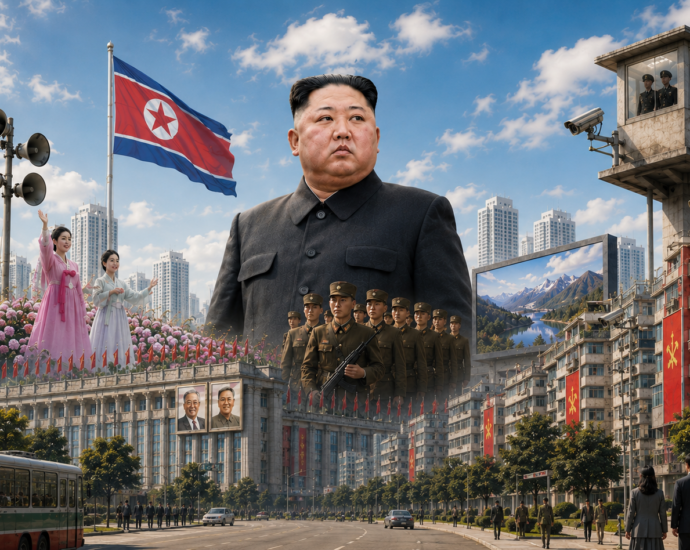
Rules in North Korea are among the strictest and most unusual in the world. From limited internet access and strict media control to travel restrictions and constant surveillance, these regulations shape nearly every aspect of daily life in the country.
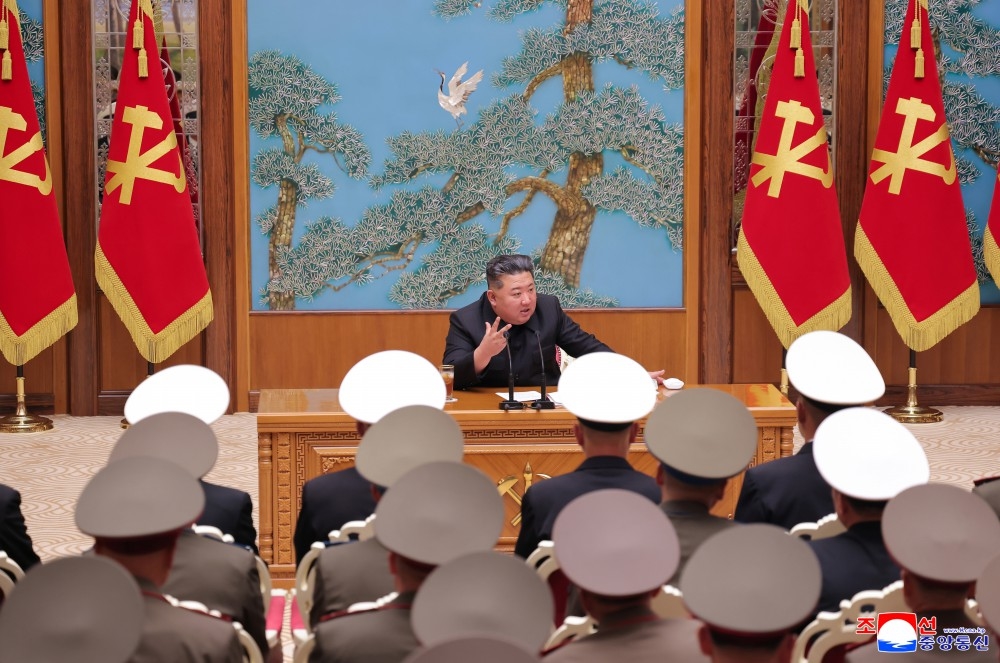
North Korea is widely regarded as one of the most closed and controversial nations on Earth. Due to its highly centralized political system and extensive state control, the country has attracted global attention for decades. In this article, we explore 10 strict rules in North Korea that continue to influence the lives of millions of people.
1. Strict Loyalty to the Leader
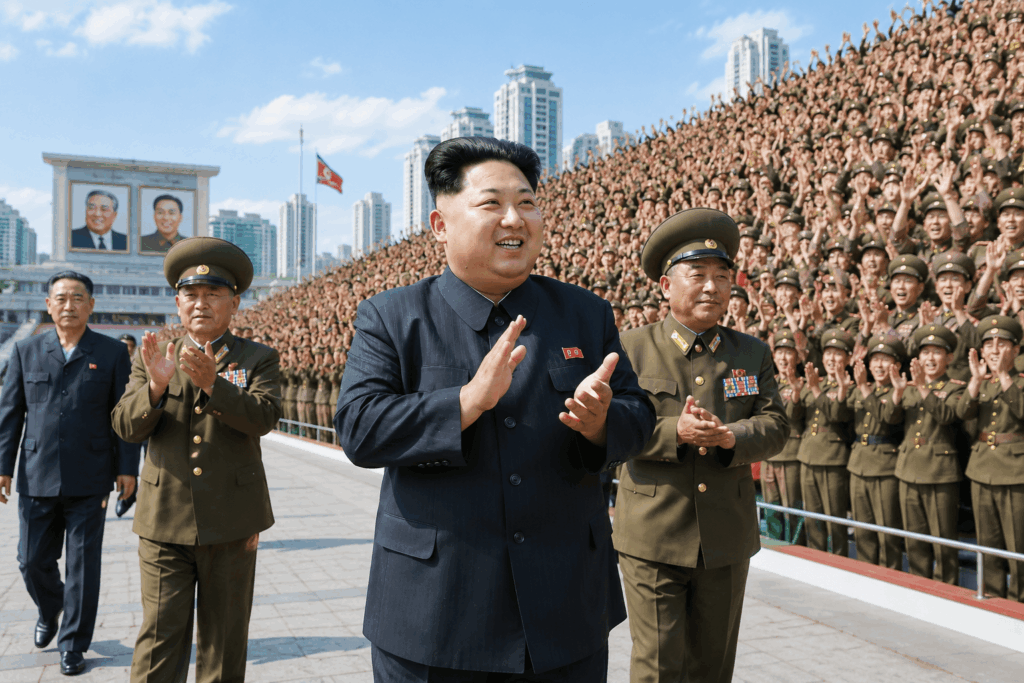
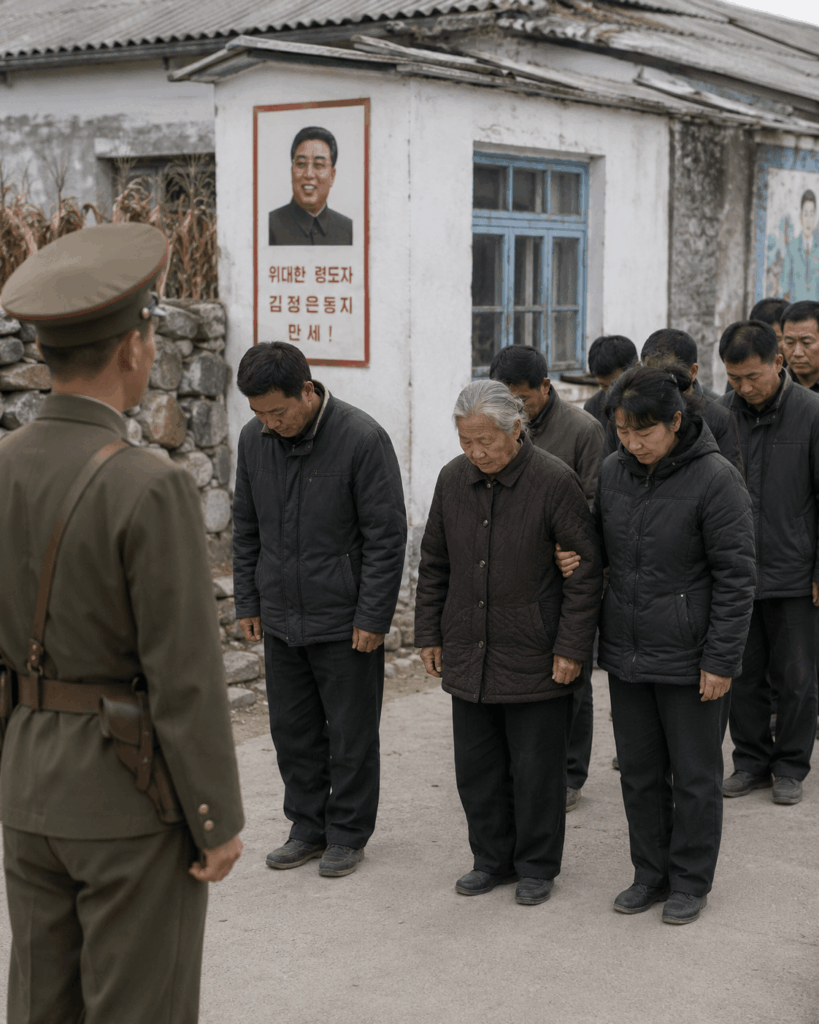
The Kim family has ruled North Korea since the country’s founding in 1948. Portraits of Kim Il-sung and Kim Jong-il are displayed in nearly every home, school, and government building, and citizens are expected to keep them clean and undamaged.
From an early age, students learn about the achievements of the ruling family, while state-controlled media is largely devoted to promoting the country’s leadership. Criticism of the government is considered a serious offense.
According to human rights organizations, individuals accused of political disloyalty can face imprisonment or be sent to labor camps.
2. Restricted Internet Access
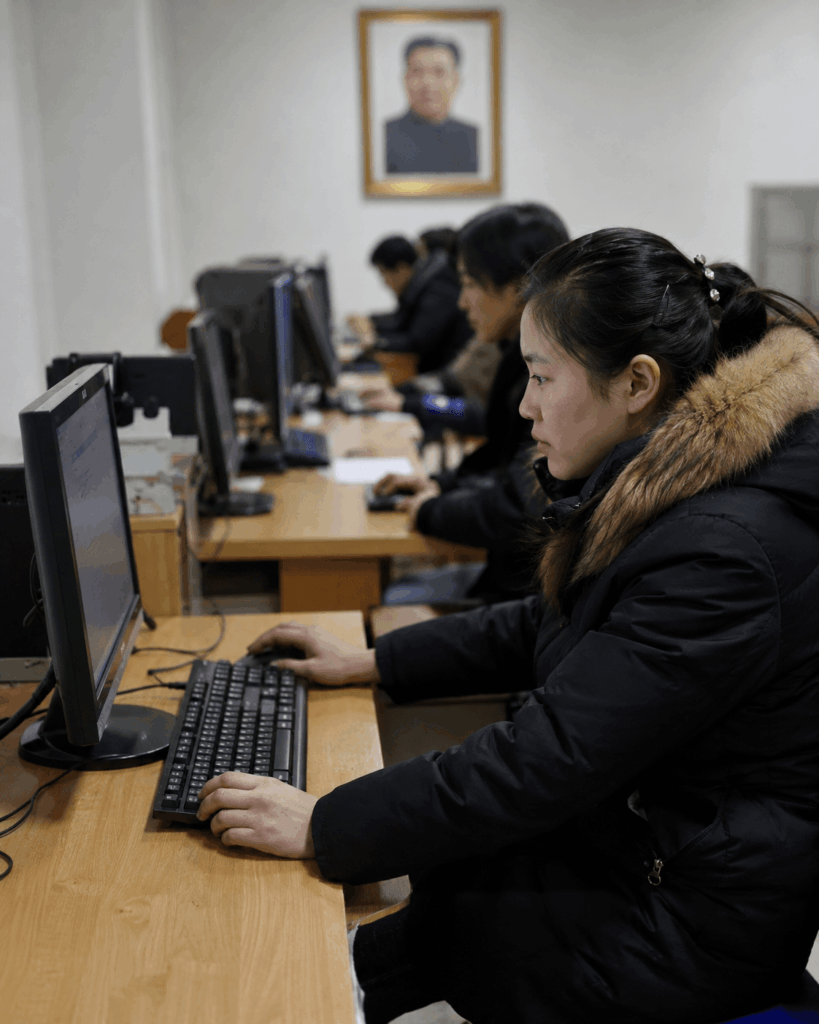
Unlike most of the world, ordinary North Korean citizens generally do not have access to the global internet. Instead, they use a domestic network known as “Kwangmyong,” which contains a limited number of government-approved websites.
This network provides access to state media, educational resources, and selected websites controlled by authorities. Foreign social media platforms such as Facebook, Instagram, YouTube, and X are unavailable to most of the population.
Full internet access is typically limited to certain government officials, researchers, and members of the elite.
3. Strict Media Control
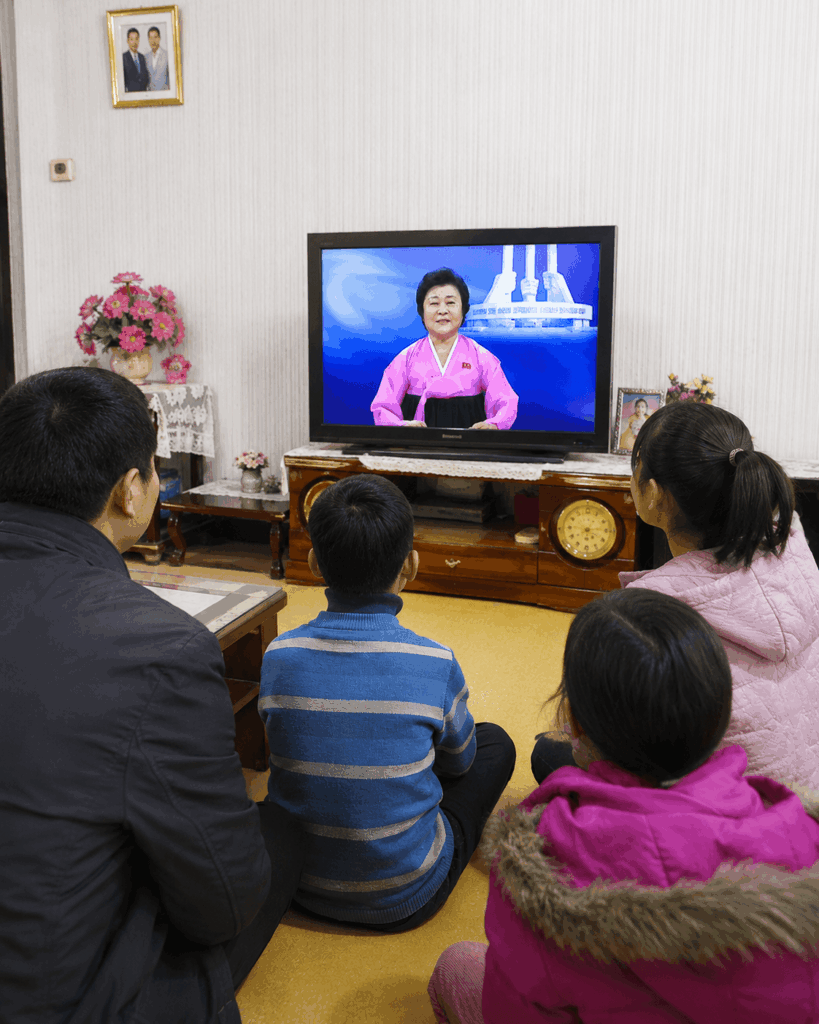
All television channels, radio stations, and newspapers operate under government control. News is published according to official state policies, while foreign sources of information are largely inaccessible.
Radio receivers sold to citizens are often pre-tuned to state frequencies. Changing those settings without authorization may be considered a violation of regulations.
Possession of foreign movies, television shows, or music—especially content from South Korea—has long been subject to severe penalties, including imprisonment.
4. Travel Restrictions
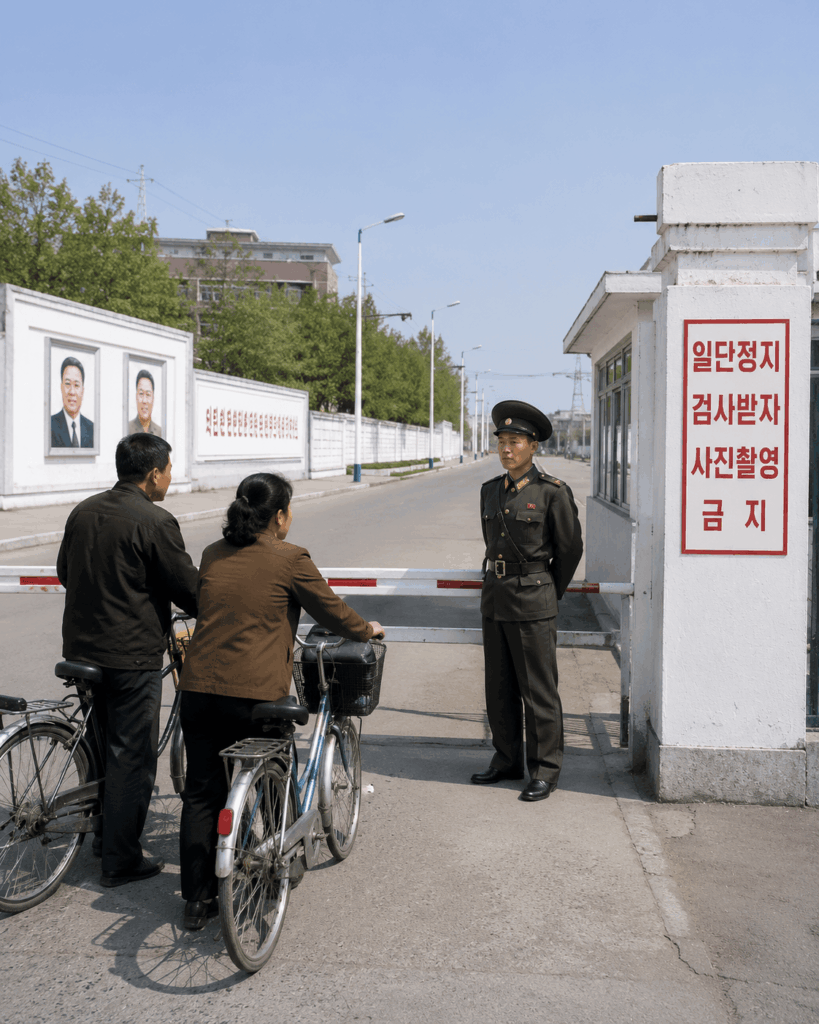
Citizens cannot freely travel throughout the country without special permits. Visiting certain cities or regions often requires approval from local authorities.
The capital city, Pyongyang, is especially restricted. It is primarily home to people considered loyal and politically reliable by the government.
Leaving the country without permission is virtually impossible, and attempts to cross the border into China or other countries carry significant risks.
5. State-Controlled Hairstyles
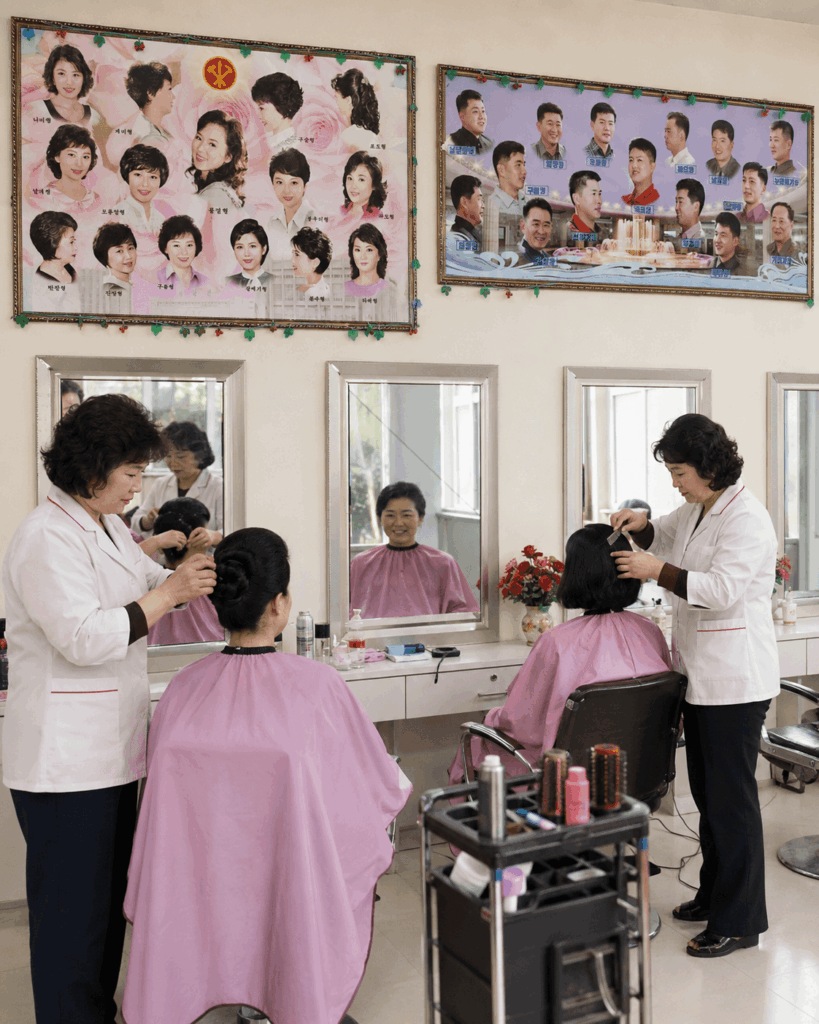
For years, reports have suggested that the government recommends or approves specific hairstyles for men and women. These guidelines are often described as part of a broader effort to preserve a “socialist appearance.”
Men are generally encouraged to wear short hairstyles, while certain modern or Western-inspired styles are discouraged. Similar expectations have applied to women.
Although some regulations have changed over time, authorities continue to pay close attention to maintaining appearance standards consistent with state norms.
6. Collective Punishment
One of the most controversial practices associated with North Korea is the principle that family members may face consequences for certain political offenses committed by their relatives.
According to testimonies from defectors, authorities have in the past applied policies under which parents, children, or other relatives could be punished because of the actions of one family member.
Human rights organizations have repeatedly criticized this practice, arguing that it violates fundamental human rights.
7. Mandatory Military Service
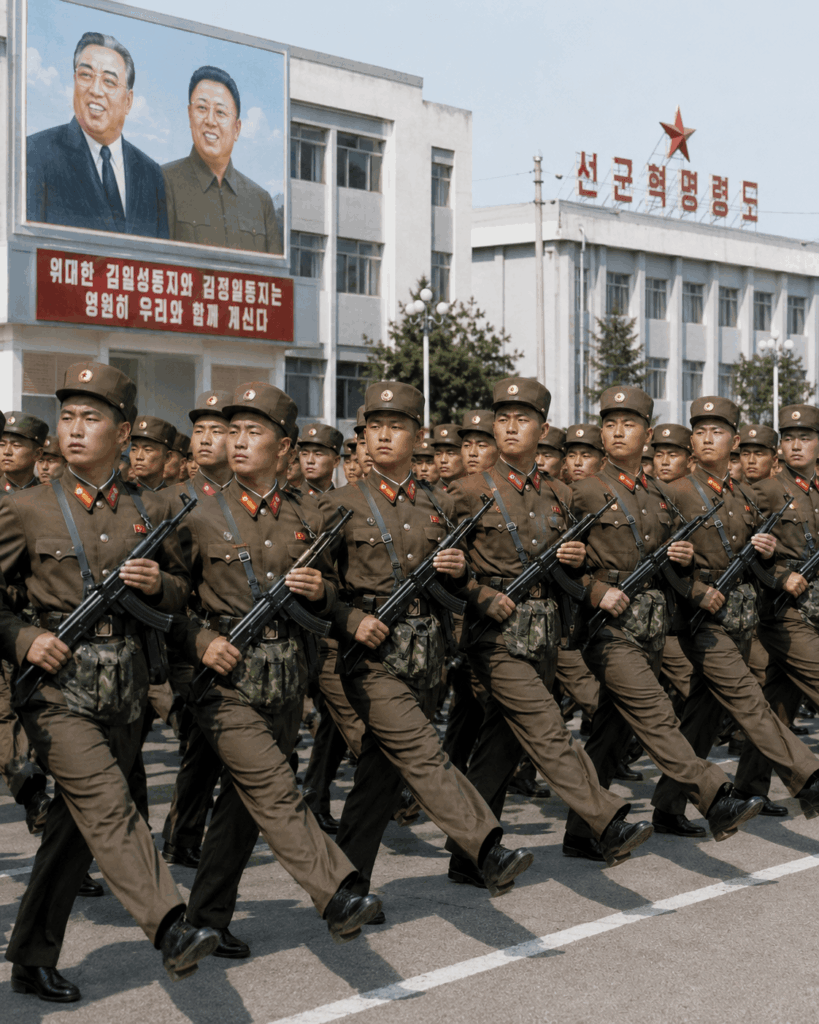
North Korea has one of the largest militaries in the world relative to its population size. Military service plays a significant role in the lives of many citizens.
Men often spend several years serving in the armed forces, while many women are also required to complete military service. The length of service has changed over time.
The military plays an important role in society and frequently participates not only in national defense but also in major construction and infrastructure projects.
8. Restrictions on Religious Activities
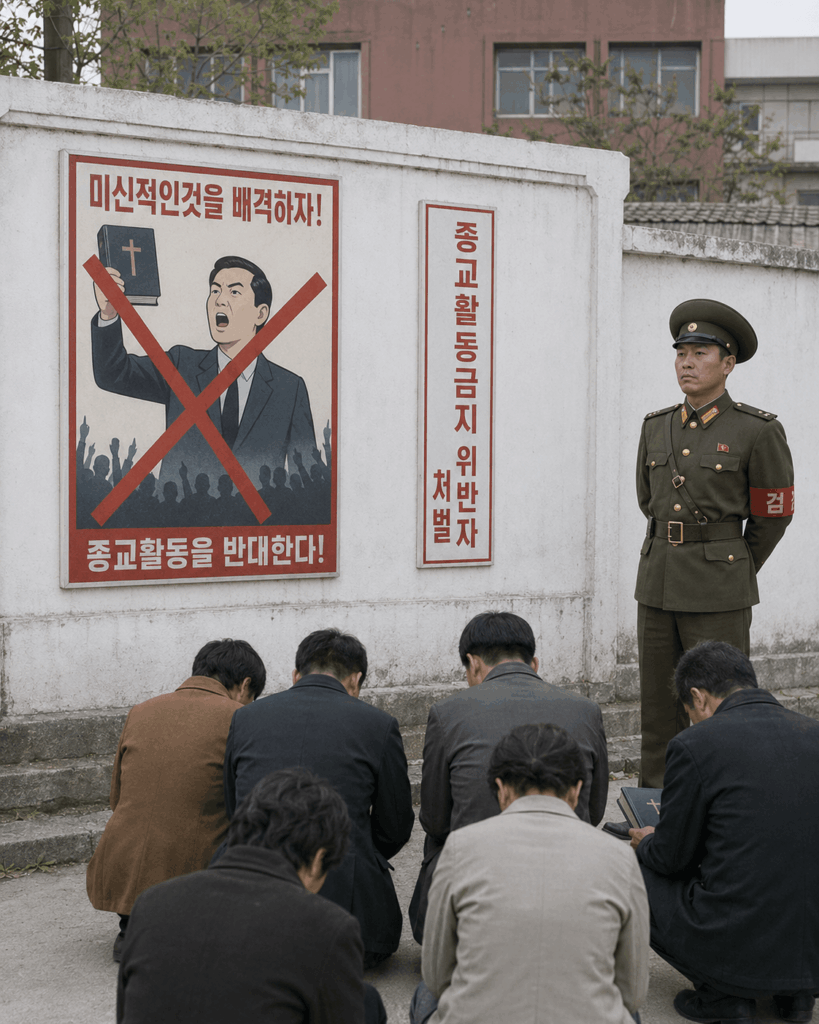
Although the constitution formally guarantees certain religious freedoms, religious activities are closely monitored by the state. Registered religious institutions operate under government supervision.
Independent religious gatherings and activities can attract the attention of authorities. Contacts with foreign religious organizations are particularly sensitive.
Numerous international organizations have reported that members of certain religious groups have faced pressure, discrimination, or punishment.
9. Ban on Foreign Cultural Influences
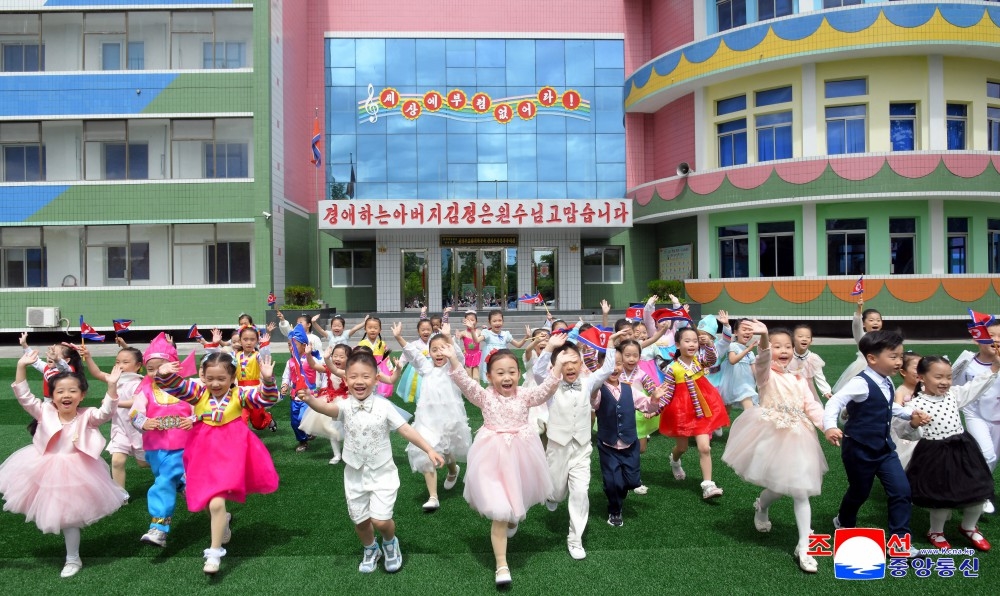
Authorities actively seek to limit the spread of foreign cultural content, particularly material from South Korea. South Korean television dramas, movies, and music are considered especially sensitive.
In recent years, additional laws have been introduced to increase penalties for distributing or consuming prohibited content.
Despite these restrictions, some foreign movies, television shows, and music continue to enter the country illegally through USB drives and memory cards.
10. Constant Surveillance
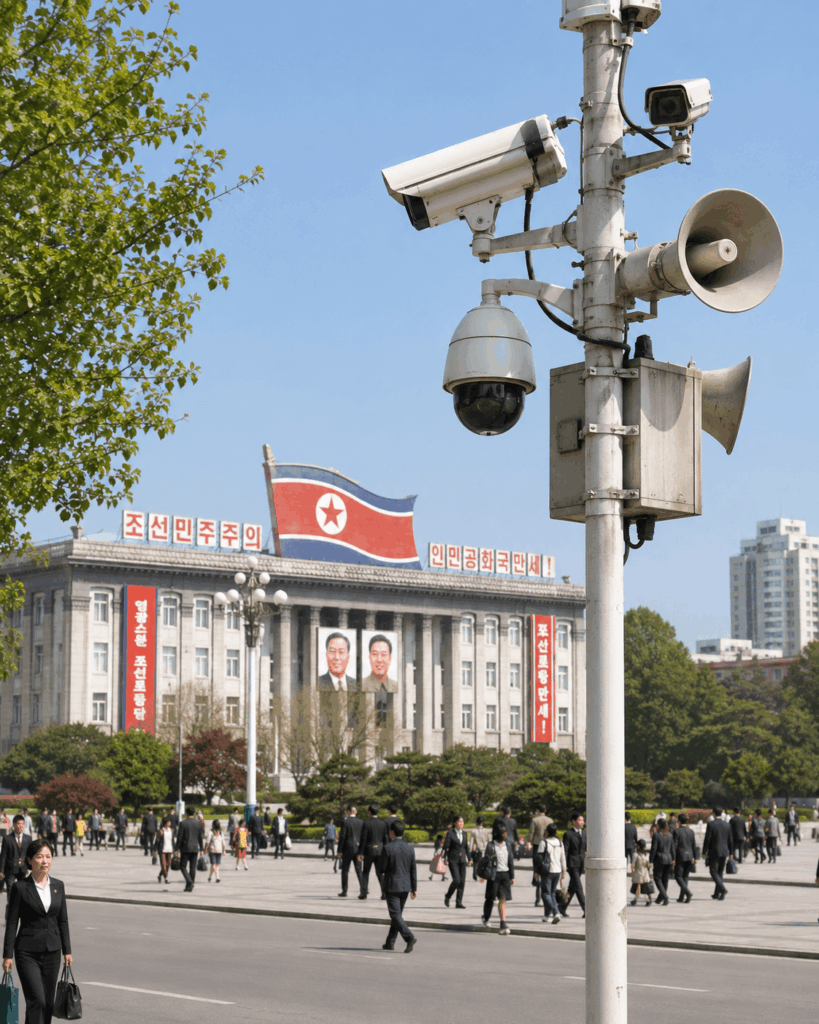
North Korea maintains an extensive network of security and surveillance systems. Citizens often face routine inspections and monitoring in their daily lives.
Many communities have local organizations that observe residents’ activities and regularly report to authorities. This system enables the government to monitor behavior at the local level.
Numerous defectors have stated that people are often extremely cautious during private conversations because they can never be certain who might report their words to the authorities.